 V tomto článku upozorním na chyták, ktorým sú gerundia slovies DIE (umrieť) a DYE (nafarbiť).
- DIE –> to stop living (about people) or stop existing or working (about things)
- DYE –> to change the colour of something, especially hair or clothing
 Obe slovesá sú pravidelné slovesá, teda minulý čas tvoríme pridaním koncovky -ed.
Pozor, avšak, na spelling gerundia, ten sa tvorí nasledovne :
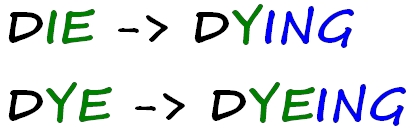
DYING:
- When she was dying, she said that I was adopted.
- Even though they were dying, nobody helped them.
- When the engine started dying, I knew I was lost.
DYEING:
- I was dyeing my hair when she came home.
- I tried dyeing the jacket but it didn’t help, it still looks terrible.
DYE
1. Pozor, sloveso DYE je tranzitívne (teda musí mať vždy predmet.)
- DIE something
- I have always wanted to dye my hair.
- DIE something + adjective (= colour)
- I don’t like the colour of my hair. I want to dye it blonde. (
I want to dye blonde.) - I want to dye my hair blonde. (
I want to dye blonde.)
2. Nafarbiť si vlasy (nejakým prípravkom) (farbou) = DIE one’s HAIR (with something)
- I don’t like people who dye their hair with peroxide. It’s very unhealthy.
3. V spojení so slovom TIE sa vytvára spojenie TIE-DIE, ktoré znamená “farbiť látku na spôsob batiku”
- How to tie-dye a T-shirt?
4. Ako podstatné meno potom označuje “tekutinu, ktorou sa niečo farbí“.
“Farba na vlasy” je potom HAIR DYE.
- That dye smells terrible, but the colour is fantastic.
DIE
O slovese DIE, DEAD, DEATH sa viac dočítate v tomto článku: KAMEŇ ÚRAZU #2 – DIE, DEAD, DEATH
Pridaj komentár
Prepáčte, ale pred zanechaním komentára sa musíte prihlásiť.